Investing in the renewable energy sector is one of today’s most profitable strategic decisions. However, building and operating an asset of this caliber is not without its challenges. An infrastructure meant to last over 25 years outdoors faces constant human, technical, and weather variables, which is why understanding the risks in a solar power plant and how to mitigate them has become a top priority for the industry.
Whether you are an owner, asset manager, or EPC of a project, thoroughly knowing the risks of a solar power plant is not about being pessimistic; it is about being proactive. Below, we analyze the main factors that can jeopardize your asset and how to shield it.
The 4 Major Risks in Solar Parks You Need to Know
Operating a photovoltaic project involves managing different fronts simultaneously. These are the most critical day-to-day risks:
1. Technical Risks and Fires
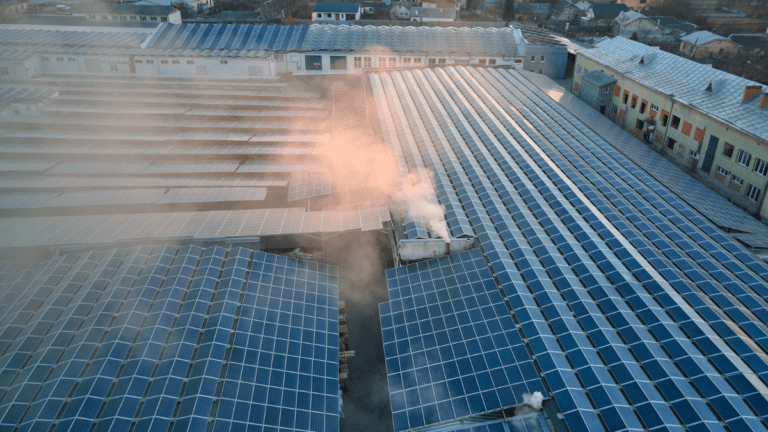
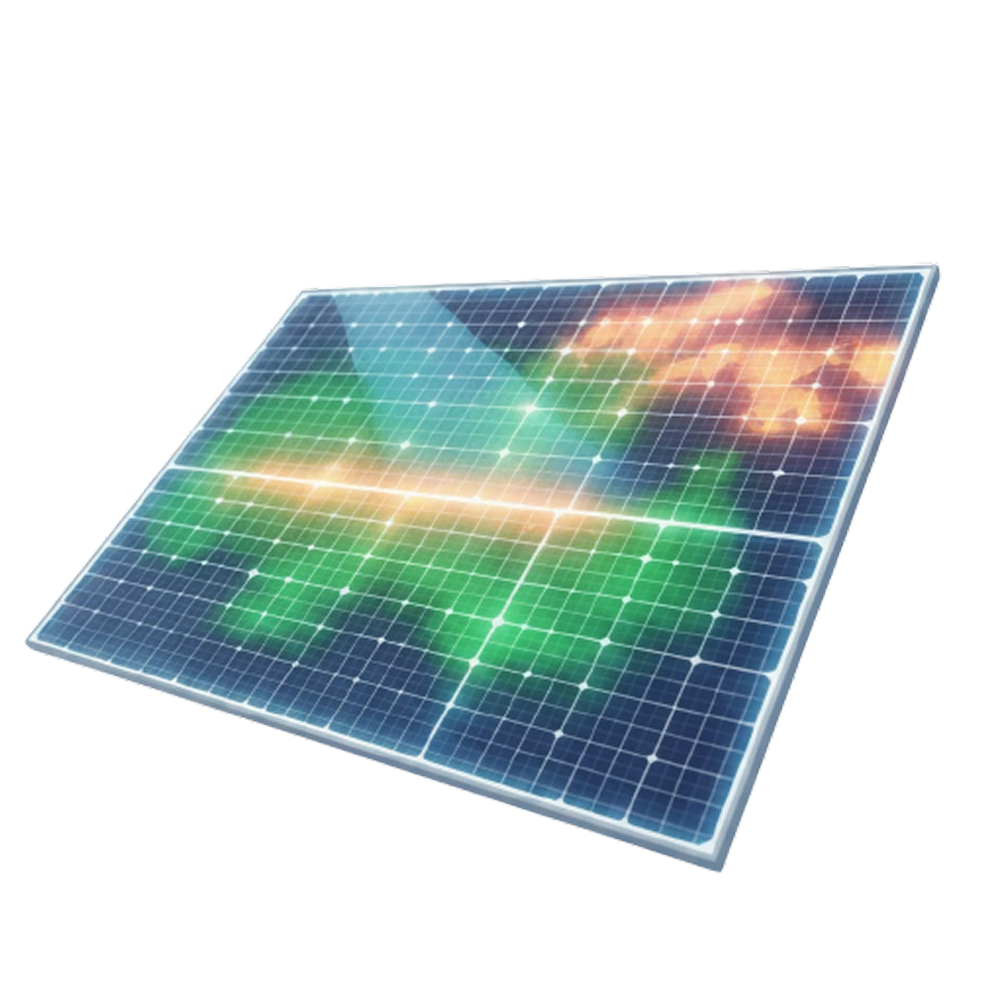
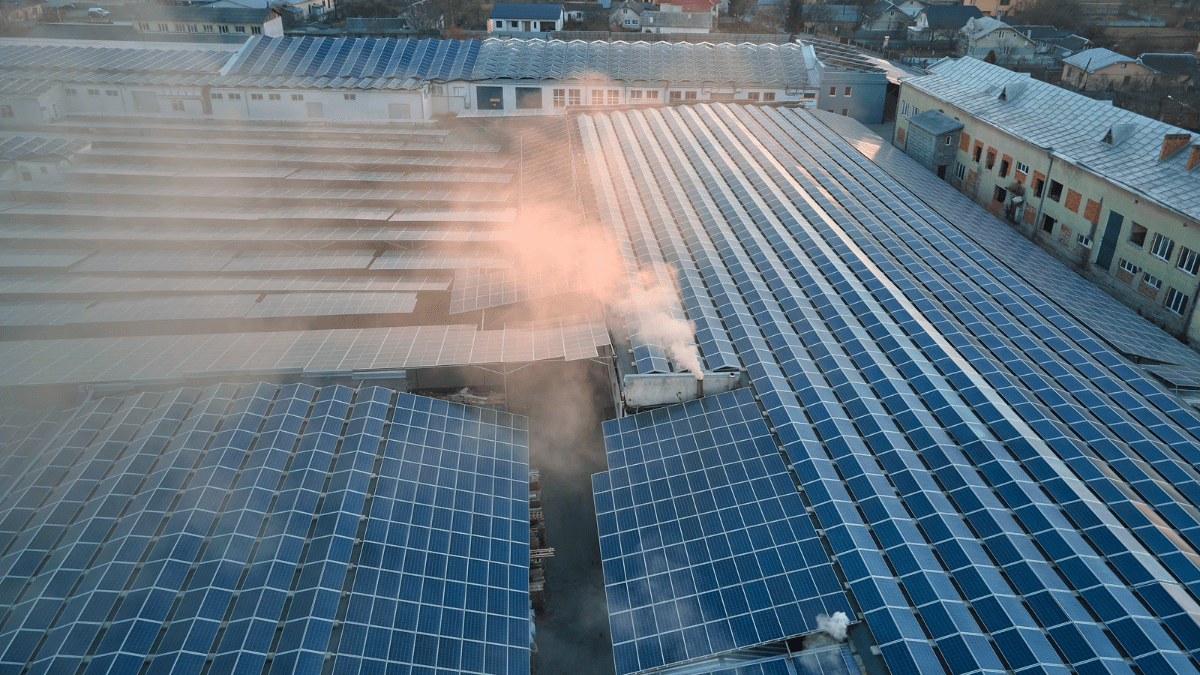
Inverter failures, accelerated module degradation, or hotspots do not just reduce efficiency. In the worst-case scenario, an undetected electrical arc can lead to a fire, destroying part of the installation and halting production entirely. Fire is one of the greatest fears when managing risks in solar parks.
2. Labor and Safety Risks
During construction phases and, above all, during preventive and corrective maintenance, technical personnel are exposed to high-voltage work, heights, and extreme weather conditions. A strict prevention plan is mandatory to avoid solar park risks on a human level, but reducing unnecessary site visits is the best way to ensure safety.
3. Financial Loss Risks
This is the true Achilles’ heel of the industry. Risks in photovoltaic energy are not always visible to the naked eye; they are often measured within financial software. We are talking about:
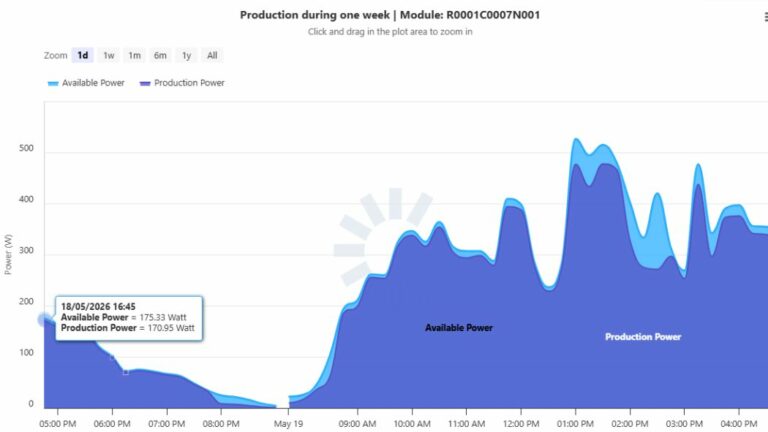
- Hidden Downtime: A string that stops producing and takes weeks to be detected.
- Production Deviations: Penalties for failing to feed the promised generated energy into the grid.
- Skyrocketing O&M Costs: Sending technicians blindly to look for a fault in the middle of a 50-hectare site is inefficient and highly expensive.
The Fact: It is estimated that technical failures not detected on time can cut between 3% and 5% of a photovoltaic plant’s annual revenue. In large-scale projects, this translates into tens of thousands of euros lost.
The “Must-Have” to Mitigate Risks in a Solar Power Plant: Smart Monitoring
Traditionally, risks were combated with expensive financial insurance and reactive maintenance (waiting for something to break before fixing it). Today, technology allows us to stay one step ahead when it comes to neutralizing photovoltaic energy risks. To avoid dreaded financial losses, the ultimate must-have is the ability to anticipate.
This is where having a technological ally like Clever Solar makes perfect sense. More than just software, it acts as a sort of digital anti-risk insurance for your installation.
By centralizing all analytics and monitoring the facility in real time, Clever Solar transforms risk management:
- Early Anomaly Detection: Identifies performance drops or unusual behavior at the string level before they turn into a serious breakdown or a fire hazard.
- Maintenance Optimization (and fewer labor risks): By knowing exactly what is failing and where the problem is located, technicians can get straight to the point. This means less exposure time to on-site risks and much faster repairs.
- Financial Shielding: By eliminating hidden downtime, you ensure that every ray of sunshine turns into profitability, protecting the plant’s original Business Plan.
Zero risk does not exist, but uncertainty can be controlled. Successfully managing solar power plant risks requires shifting from a reactive culture to a proactive one. Knowing your facility’s weak points and equipping yourself with real-time monitoring tools like Clever Solar is the most solid strategy to ensure your green investment remains a safe and profitable business for the long term.