In the design and operation of industrial and utility-scale solar plants, every technical decision directly impacts asset profitability. One of the fundamental concepts is the PV string, a key piece in the electrical architecture of any installation.
What is a solar panel string?
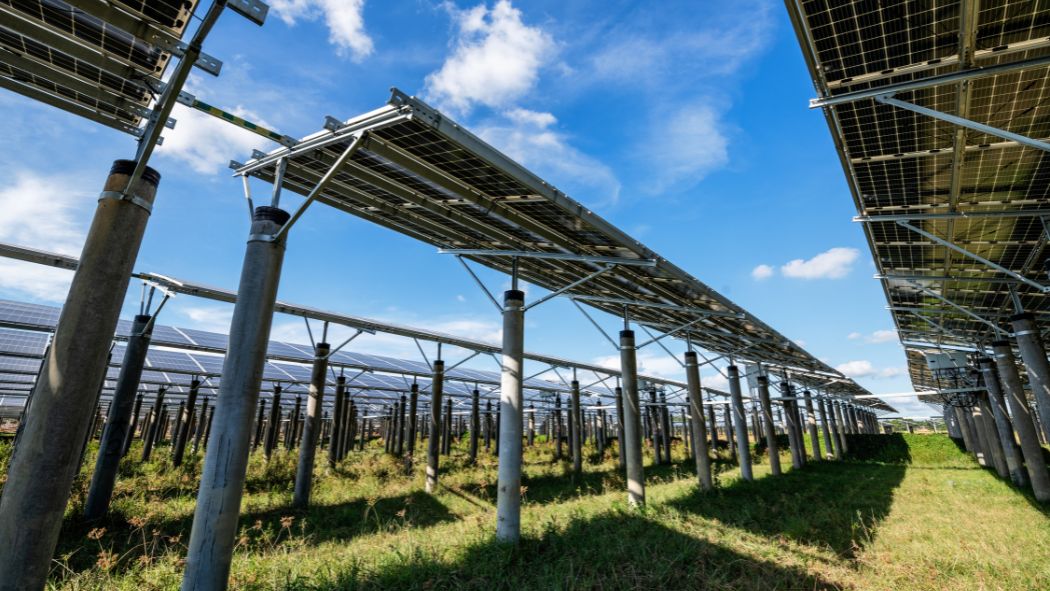
A solar panel string is a set of modules connected in series that function as an electrical unit within the system. By connecting panels in this way, the circuit voltage increases while the current remains constant. In large-scale plants, strings are typically designed to work with high voltages (usually up to 1500V DC), which allows for reduced energy losses and optimizes energy transport to the inverters.Why is string design so important?
String design in solar installations is not trivial. Critical factors depend on it, such as:- Overall energy performance.
- MPPT tracking efficiency.
- Material utilization (BOS – Balance of System).
- Long-term operational reliability.
Limitations of string-level analysis
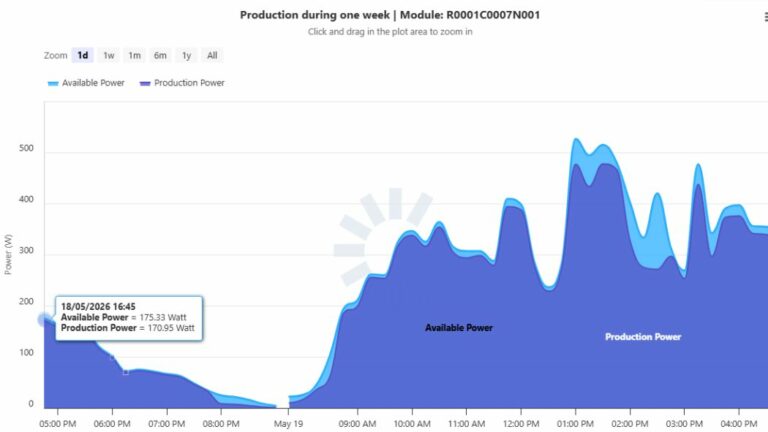
Traditionally, monitoring in photovoltaic plants has been performed at the string level. This provides an aggregated view of each chain’s behavior but presents significant limitations in large-scale installations:- Lack of granularity: Certain faults may remain hidden within the average performance.
- Difficulty in locating problems: The affected module is not easily identified.
- Higher operational costs: More frequent field inspections are required.