Spain has transformed from a cautious spectator into the main driving force of photovoltaics in Europe. Solar energy in Spain has experienced an unprecedented transformation over the last decade, marked by radical legislative changes, astonishing technological maturation, and a resilience that has positioned the sector as the fundamental pillar of our electrical system.
The Awakening of Solar Energy in Spain: From Paralysis to Exponential Growth
Analyzing the evolution of the sector in retrospect, it is impossible not to mention the period of stagnation our country suffered between 2012 and 2018. That stage, conditioned by regulatory uncertainty and the infamous “sun tax,” limited the technological deployment of solar energy in Spain despite boasting the continent’s best solar resource. However, this lethargy served to accumulate a pent-up demand that would explode years later.
The true turning point arrived in October 2018. With the abolition of barriers to self-consumption and administrative simplification, the sector broke free from its chains. Since then, we have moved from a modest installed capacity to figures that exceed all forecasts. In the last two years alone, photovoltaic capacity has grown at a blistering pace, allowing renewable production to cover more than 50% of the national electricity demand during peak sun hours on many days.
Structural Challenges in Solar Energy Production in Spain
As solar energy production in Spain consolidated, the problems changed in nature. It was no longer a lack of investment or technology, but rather the system’s capacity to absorb and manage such a massive amount of energy efficiently. The sector has had to learn to coexist with three critical challenges:
- Price Cannibalization: With so much energy being generated simultaneously during peak radiation hours, wholesale market prices tend to plummet. This phenomenon has forced investors to stop looking at solar energy production in Spain purely in terms of gross volume and start evaluating storage to shift energy sales to more profitable hours.
- Grid Curtailments: During times of excess supply or transmission line congestion, the system operator (REE) is forced to disconnect plants to maintain stability. This represents a direct loss of clean energy and a financial impact that was not always foreseen in initial business plans.
- Access and Connection: The saturation of the electricity grid has created administrative bottlenecks. The speed of private investment has, at times, outpaced the upgrading of transmission and distribution infrastructures.
Current Trends in Solar Energy Spain: Moving Towards Intelligent Management
In recent months, the sector has entered a phase of “intelligent maturity.” The trend is no longer simply to install the maximum possible megawatts, but to maximize the performance and flexibility of existing assets. Spain’s current solar energy landscape is now betting on hybridization (combining solar plants with wind power) and, above all, on the deployment of large-scale batteries to manage intermittency.
We are moving from an “install and produce” model to a “manage and optimize” approach. It is no longer enough for the sun to shine; it is vital to know exactly what is happening at the plant every single second to protect the investment.
Monitoring: The Technical Insurance Against Uncertainty
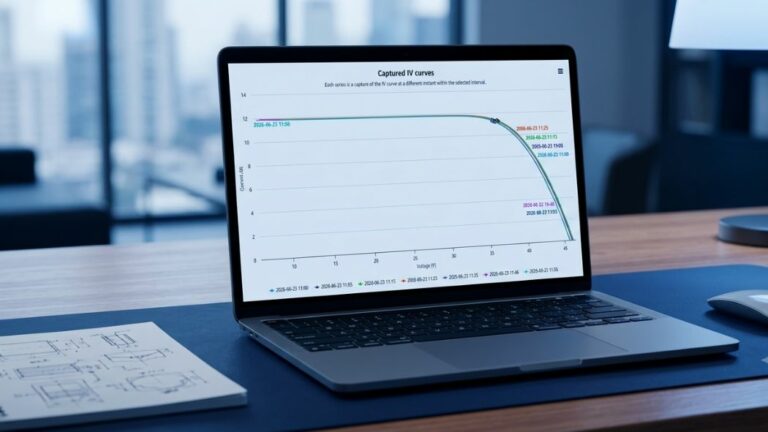
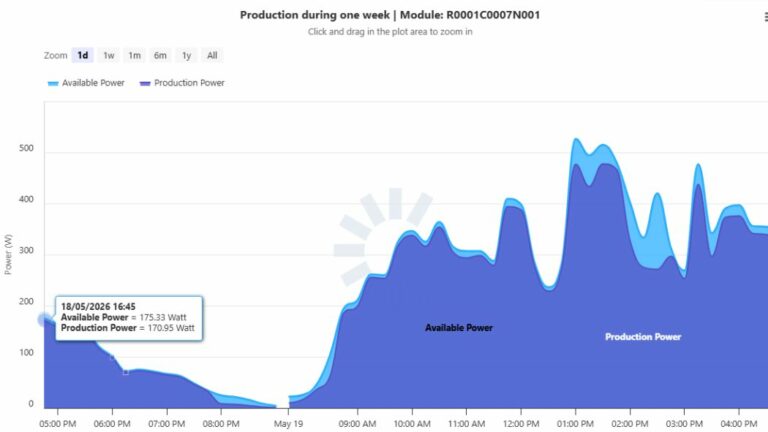
In this 2026 photovoltaic landscape in Spain, with volatile prices and saturated grids, data management has become indispensable. For photovoltaic production to remain profitable in the long term, technical control must be absolute. Real-time monitoring, such as that offered by Clever Solar, has established itself as the key tool to mitigate risks, delivering strategic benefits that go far beyond a simple graph:
- Financial and Asset Protection: Detecting performance drops or outages that would otherwise erode cash flow.
- Reduced Exposure and Responsiveness: In the face of grid anomalies or technical faults, an immediate response prevents losses from dragging on.
- Technical Evidence and Risk Traceability: Crucial for managing manufacturer warranties, complying with PPA contracts, or presenting reports to third parties.
- Operational Continuity: Ensuring the plant is always ready to inject energy when market conditions are favorable.
Solar energy in Spain has ceased to be a promise for the future and has become a reality of the present. However, success in the coming years will not depend on the sun alone, but on operators’ ability to digitalize their assets and ensure operational continuity in an increasingly complex market.