Shadow Detection in Solar Panels: Key Guide to Optimizing Performance

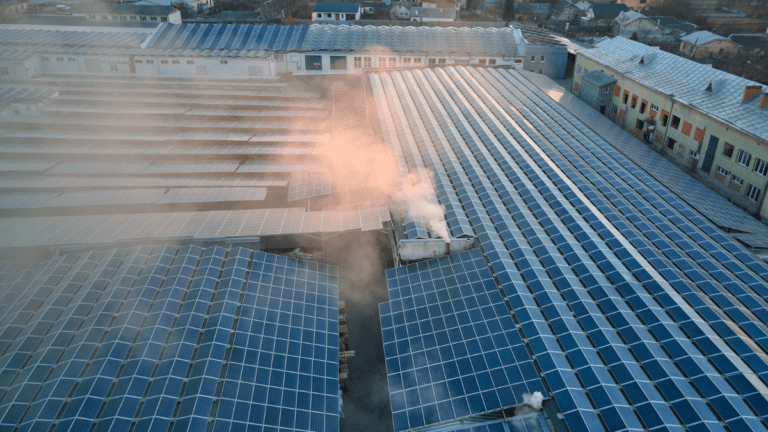
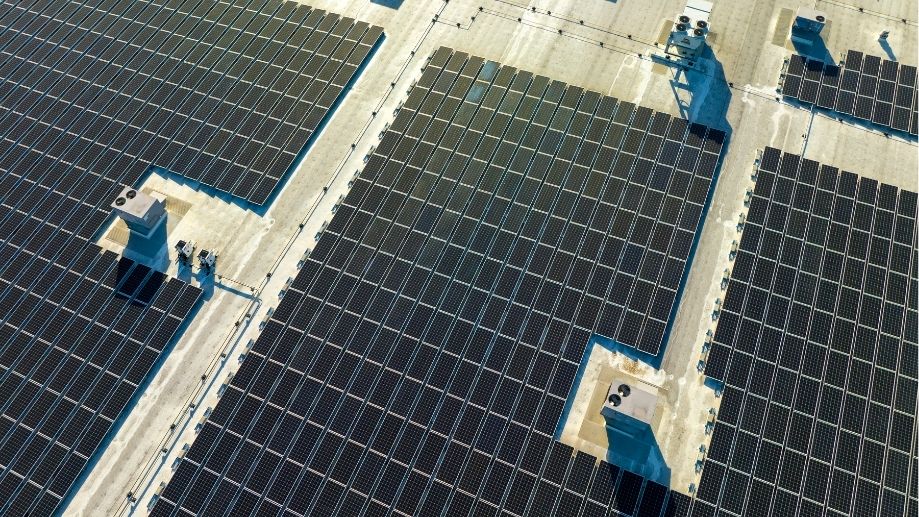
Shadows on solar panels from an aerial perspective of a photovoltaic installation
The impact of shadows on solar panels is one of the critical factors determining the financial viability and operational efficiency of any large-scale installation. In utility-scale photovoltaic parks, even partial shadowing caused by vegetation, adjacent structures, or terrain topography can lead to drastic reductions in energy generation. This efficiency loss not only decreases the overall plant yield but can also generate hotspots that degrade modules over the long term. Therefore, identifying and mitigating shading from the earliest project phases has become an indispensable priority for engineers, developers, and solar asset managers.

Key Strategies for Shading Analysis in Solar Installations

To effectively address this challenge in a professional environment, three fundamental pillars must be considered during the design and operational monitoring phases:
  • Terrain and Microclimate Assessment: Identifying physical or topographical elements that could project shadows on solar panels during peak radiation hours is essential to define string configuration.
  • Digital Modeling and Simulation: Using a solar panel shadow calculator allows engineers to predict with mathematical accuracy how solar incidence angles will shift across different seasons.
  • Pre-construction Diagnosis: Conducting a rigorous photovoltaic shadow study ensures space optimization while minimizing negative coupling between rows of trackers or fixed structures.
The Role of a Photovoltaic Shadow Study in B2B Projects

During large-scale plant development, performing a comprehensive photovoltaic shadow study is far from a mere technical formality—it is a strategic tool to maximize Return on Investment (ROI). This type of analysis simulates the sun’s trajectory based on latitude, module tilt, and the elevation of surrounding obstacles. Thanks to geospatial data processing and 3D modeling, engineers can optimize row spacing. This significantly reduces mutual shading (backtracking in solar trackers), ensuring energy capture stays aligned with the projections in the project’s financial model.

Using a Solar Panel Shadow Calculator in the Engineering Phase

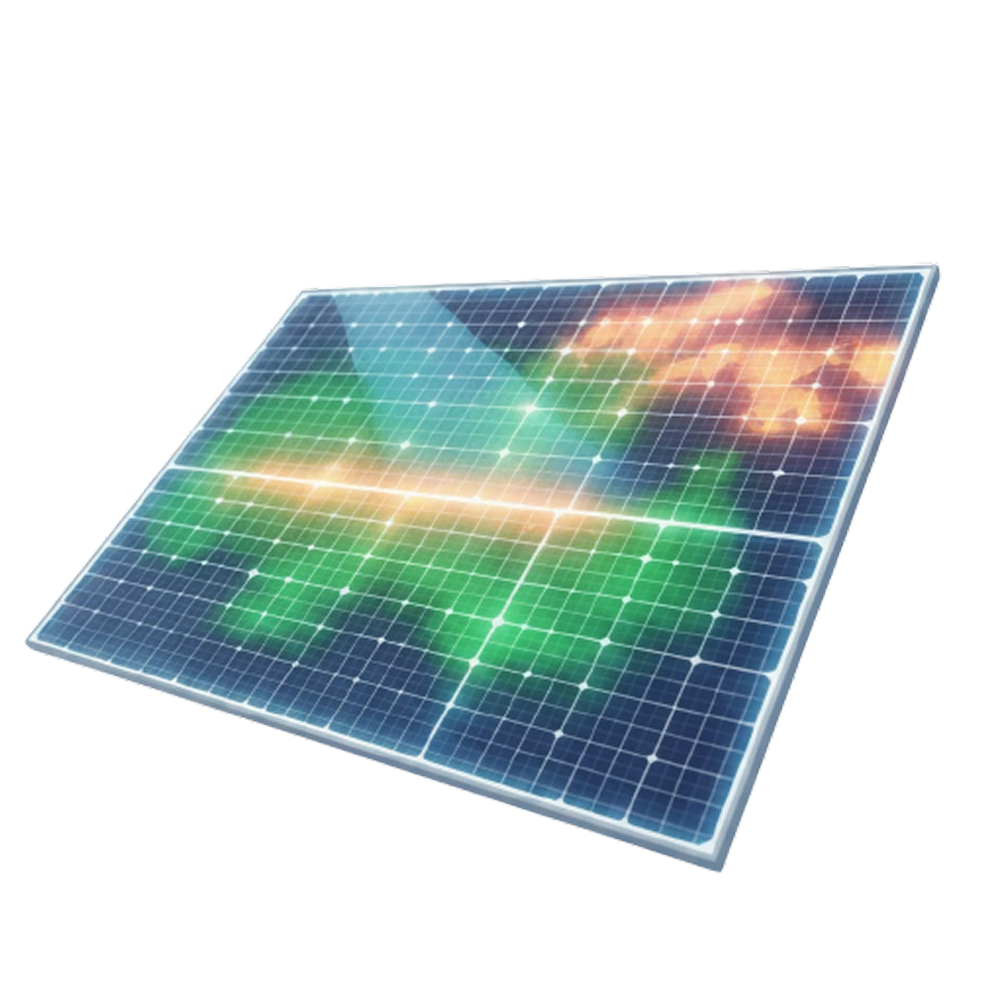
Integrating a solar panel shadow calculator into the design workflow simplifies calculating the minimum distances required between structures. These automated analytical tools process complex solar algorithms to deliver thermal maps and real-time shading loss diagrams. By automating these calculations in commercial, industrial, or utility-scale solar installations, engineering teams avoid overestimating energy production and reduce operational risk. Furthermore, it facilitates informed decision-making regarding inverter selection, power optimizers, and wiring topology.

Continuous Monitoring and the Clever Solar Solution

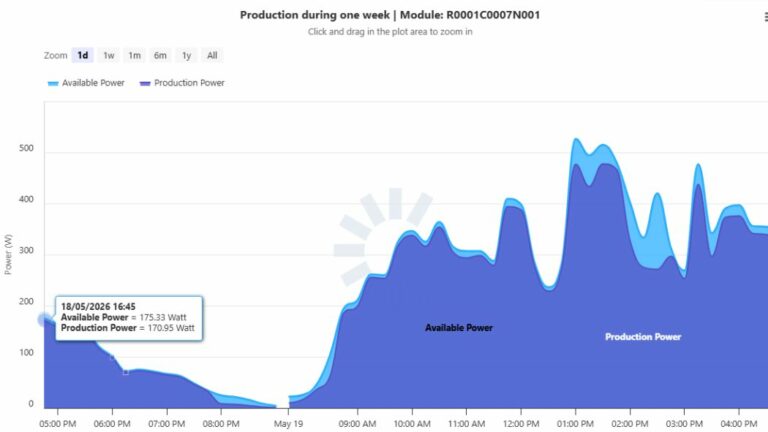
Shading management does not end after the initial design phase. Over time, unforeseen vegetation growth or the emergence of new obstacles can continue to cause shadows on solar panels during the plant’s operational phase. To tackle this challenge with maximum precision, at Clever Solar we drive advanced diagnostic technology through real-time, module-level monitoring. This continuous and granular tracking allows teams to instantly identify anomalous yield drops, helping prevent shadow-induced losses over time and ensuring maximum installation profitability throughout its operational lifespan.

Subscribe to our free monthly newsletter

Lastest Articles

Shadow Detection in Solar Panels: Key Guide to Optimizing Performance

The impact of shadows on solar panels is one of the critical factors determining the financial viability and operational efficiency of any large-scale installation. In utility-scale photovoltaic...

PV Inspection Drones: What Are They Good For and Where Do They Fall Short?

The use of aerial technology in the renewable energy sector has shifted from being a novelty to becoming a standard tool. Today, photovoltaic (PV) inspection drones are often presented as the ultimate...

How to Interpret I-V Curves: Diagnosing Anomalies in Photovoltaic Plants

In the professional photovoltaic sector, optimizing asset performance and reducing downtime is essential to guarantee the return on investment. One of the most powerful and precise diagnostic tools...

How to Avoid Risks in a Solar Power Plant: The Ultimate Guide to Protecting Your Investment

Investing in the renewable energy sector is one of today’s most profitable strategic decisions. However, building and operating an asset of this caliber is not without its challenges. An...

Available Energy vs. Energy Produced in a Solar Farm

In the utility-scale photovoltaic sector, accurately monitoring the energy produced in a solar farm is not just an option—it is the key to ensuring maximum asset profitability. However, one of the...

Solar Energy in Spain: Evolution in Recent Years

Spain has transformed from a cautious spectator into the main driving force of photovoltaics in Europe. Solar energy in Spain has experienced an unprecedented transformation over the last decade...

Let's Unlock Your
PV Performance

Get in touch with our team today to learn how we can help you optimize and maintain your solar assets with our comprehensive AI-powered diagnostic platform powered by patented technology (protected in 95% of worldwide markets).

Solar panels integrated with Clever Solar's PV intelligence
of expertise in solar O&M
+ 0 years