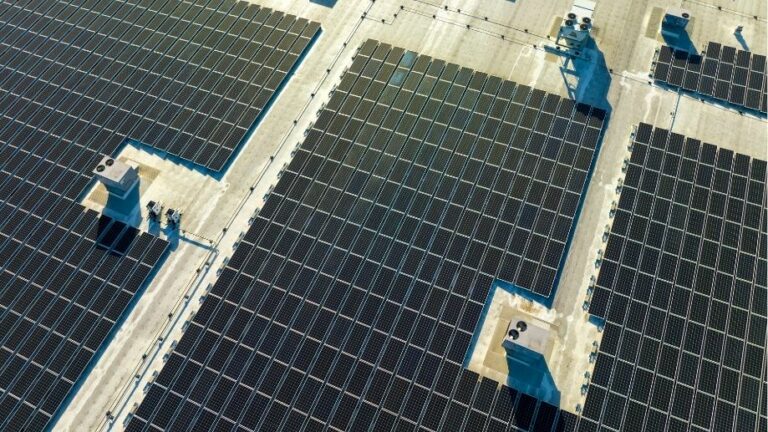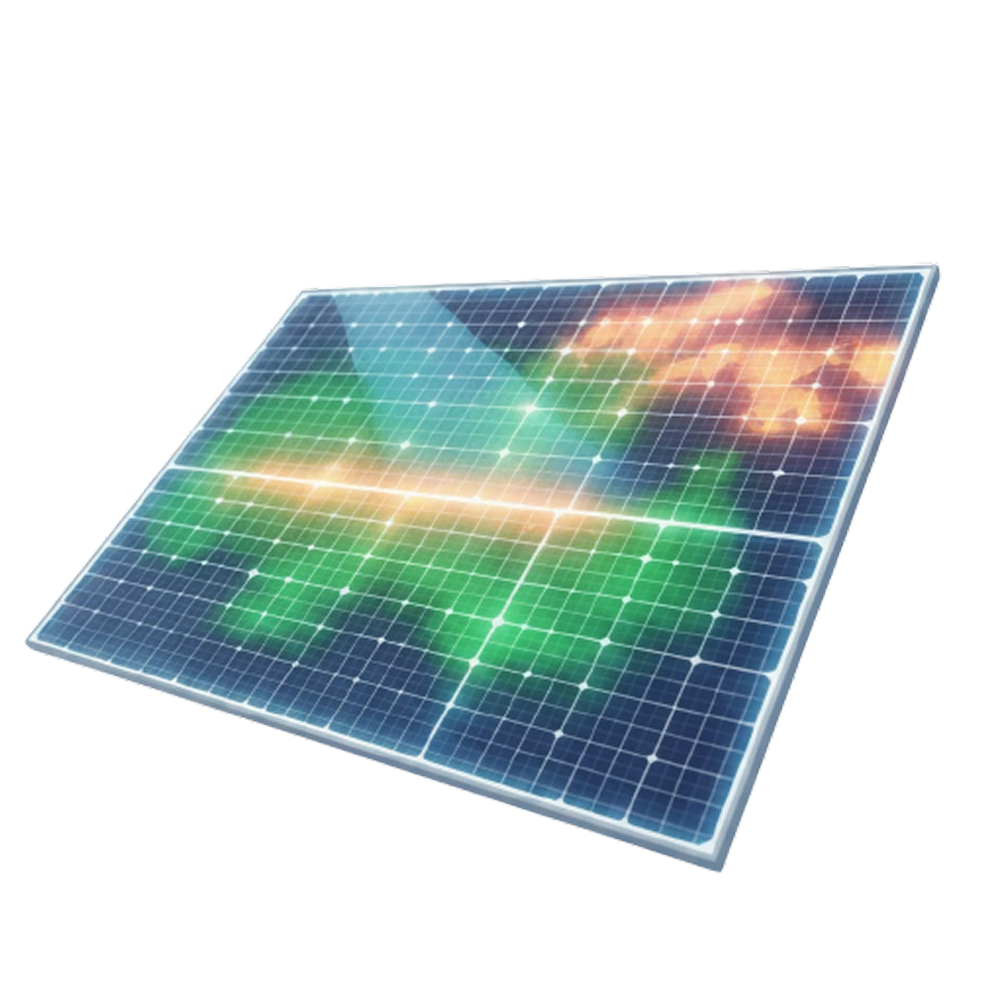
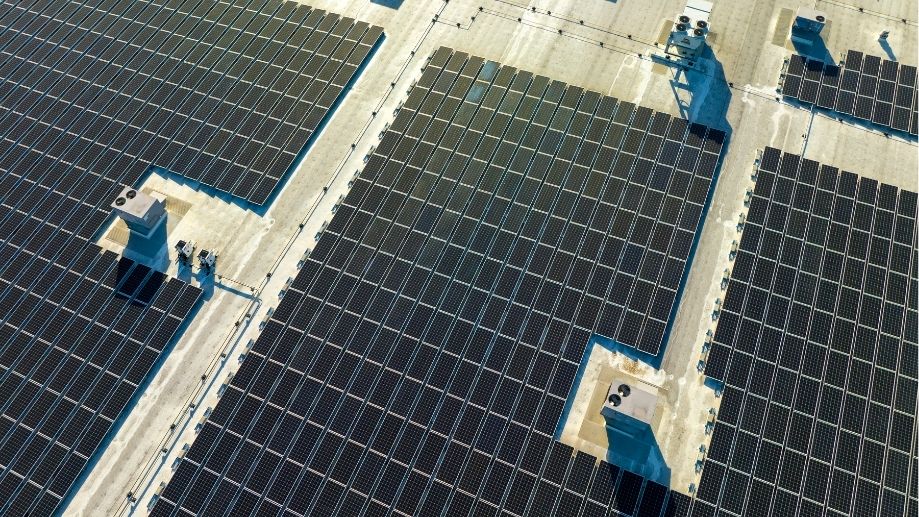
The impact of shadows on solar panels is one of the critical factors determining the financial viability and operational efficiency of any large-scale installation. In utility-scale photovoltaic parks, even partial shadowing caused by vegetation, adjacent structures, or terrain topography can lead to drastic reductions in energy generation.
This efficiency loss not only decreases the overall plant yield but can also generate hotspots that degrade modules over the long term. Therefore, identifying and mitigating shading from the earliest project phases has become an indispensable priority for engineers, developers, and solar asset managers.
Key Strategies for Shading Analysis in Solar Installations
To effectively address this challenge in a professional environment, three fundamental pillars must be considered during the design and operational monitoring phases:- Terrain and Microclimate Assessment: Identifying physical or topographical elements that could project shadows on solar panels during peak radiation hours is essential to define string configuration.
- Digital Modeling and Simulation: Using a solar panel shadow calculator allows engineers to predict with mathematical accuracy how solar incidence angles will shift across different seasons.
- Pre-construction Diagnosis: Conducting a rigorous photovoltaic shadow study ensures space optimization while minimizing negative coupling between rows of trackers or fixed structures.