The use of aerial technology in the renewable energy sector has shifted from being a novelty to becoming a standard tool. Today, photovoltaic (PV) inspection drones are often presented as the ultimate panacea for efficiency. However, in the realm of utility-scale operation and maintenance (O&M), it is vital to separate marketing from operational reality.
Are they useful? Absolutely. Do they replace a comprehensive monitoring strategy? Resoundingly, no.
Below, we objectively analyze the actual role that PV maintenance with drones plays, what their real benefits are, and where their insurmountable limits lie.
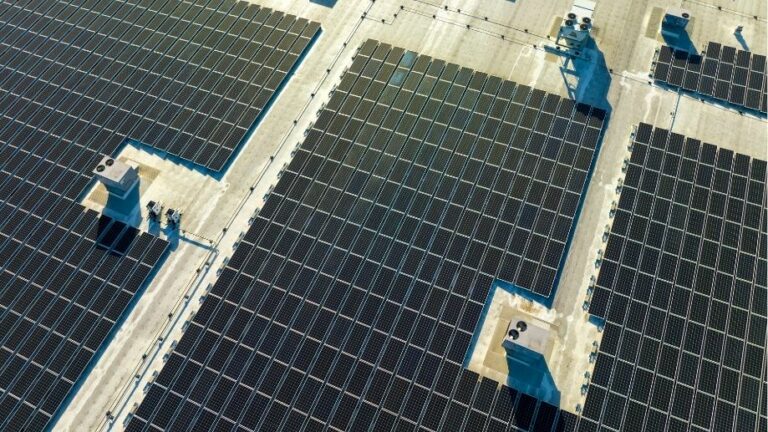
The Real Value of Drones in Solar Farms
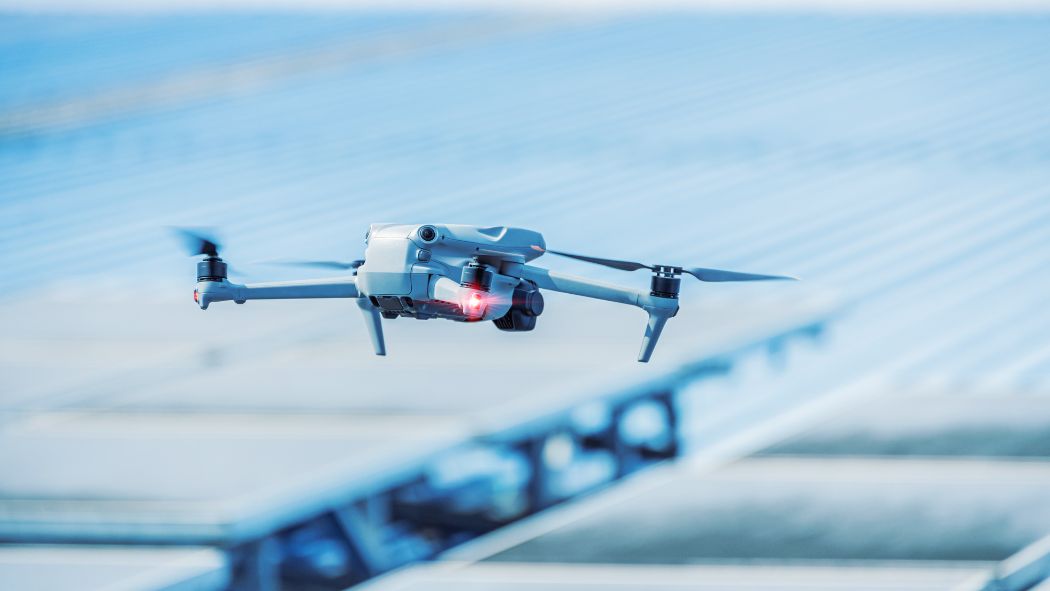
There is no denying that drones in solar farms have optimized tasks that previously required weeks of manual labor. Their value proposition focuses primarily on three aspects:
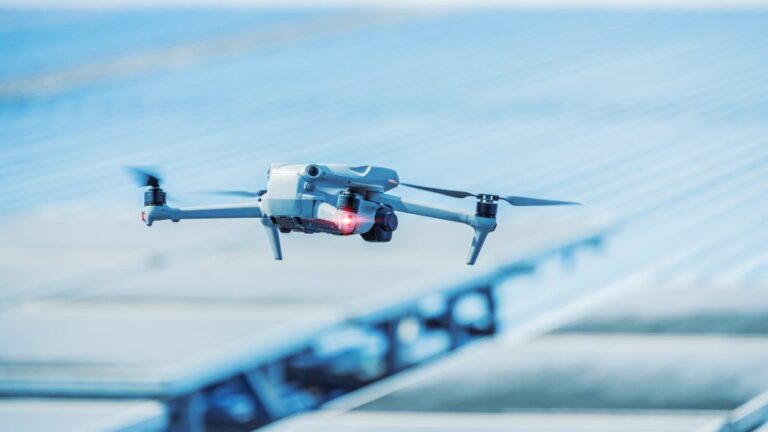
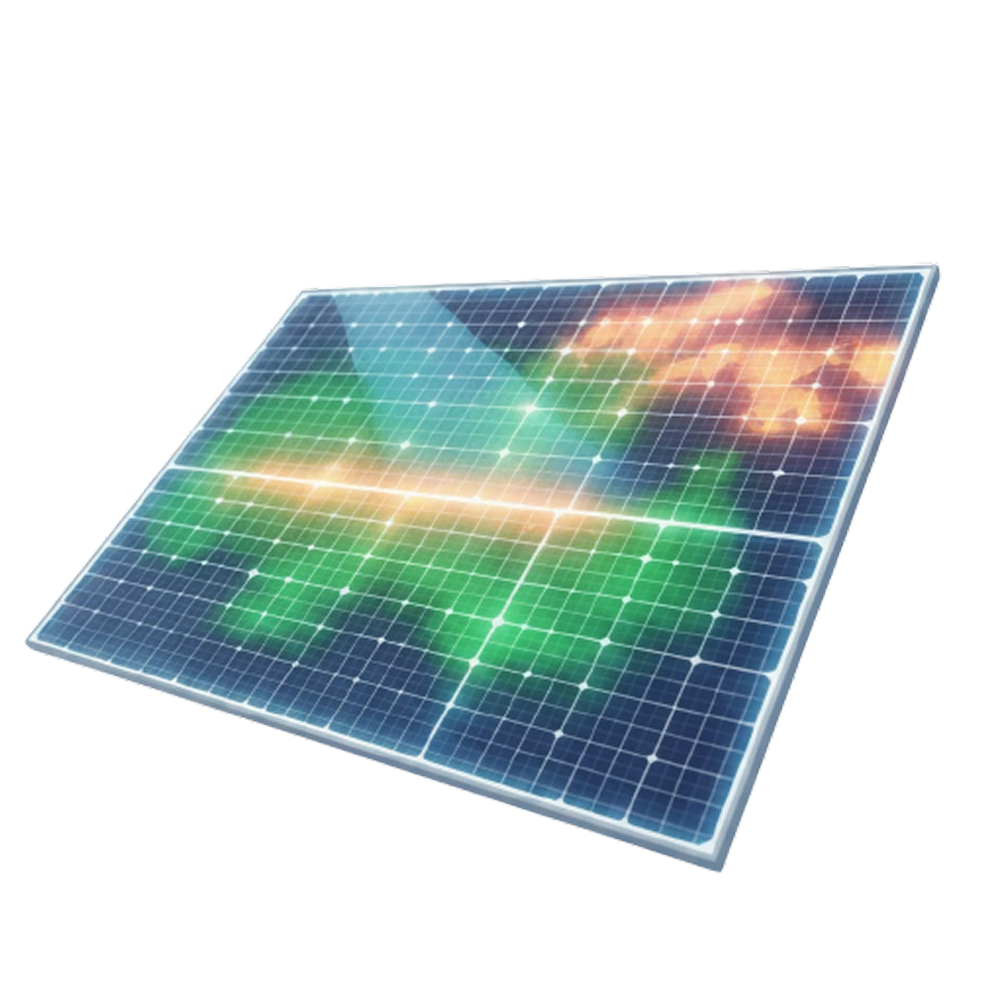
- High-Speed Aerial Thermography: Equipped with thermal cameras, they can fly over acres of panels in hours, detecting hotspots, faulty bypass diodes, or completely disconnected modules that would be invisible to the naked eye.
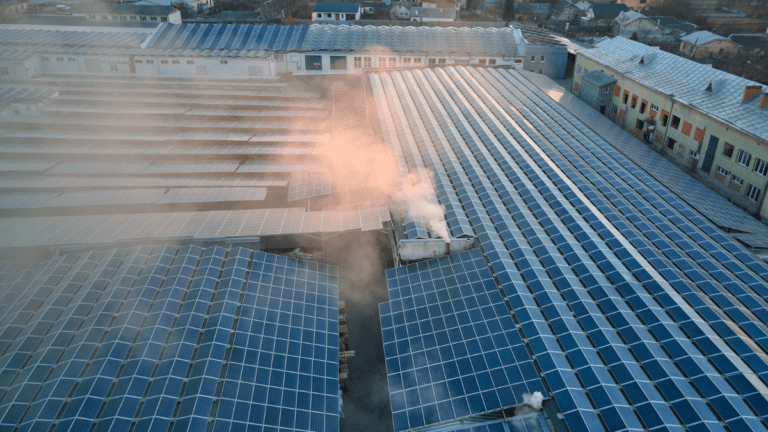
- Efficient Visual Inspection: They allow for the identification of severe soiling, hail damage, backsheet degradation, or structural issues following an extreme weather event.
- Fault Geolocation: The collected data is cross-referenced with optical maps so that field technicians can go straight to the affected panel, reducing OPEX in labor hours.
So far, so good—the ideal scenario. But for a B2B asset manager, this is only half the story.
Critical Limitations: The “Static Snapshot” Effect
The most common mistake is overstating the usefulness of PV drone inspections and viewing them as a replacement for real-time monitoring systems. These are their main weaknesses:
1. Static Information vs. Dynamic Reality
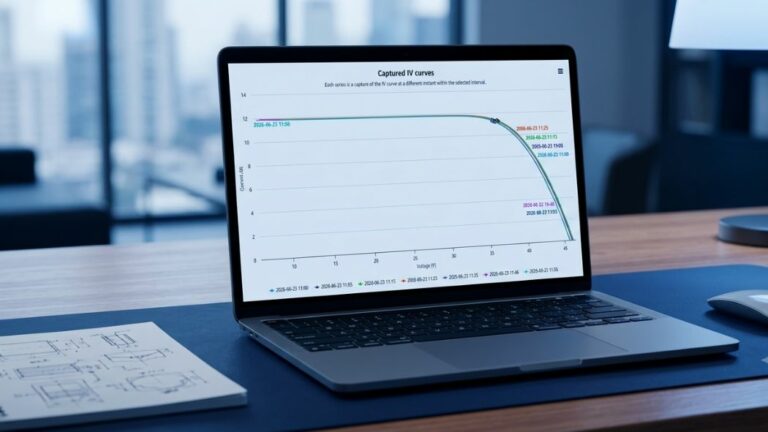
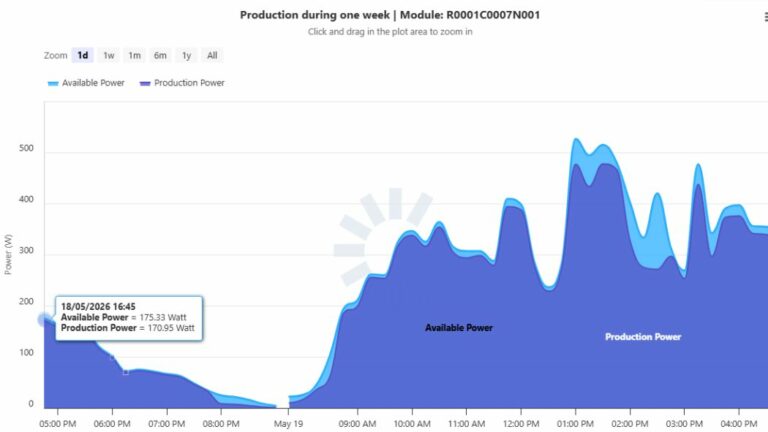
A drone provides a static snapshot of the plant at a specific minute on a specific day. The photovoltaic sector is incredibly dynamic; performance fluctuates by the second depending on irradiance, temperature, and load. What the drone sees at 12:00 PM may not reflect the site’s behavior at 4:00 PM.
2. The Risk of Working with Outdated Data
The processing of thermal images and orthomosaics is not always immediate. Between the time the drone lands, the data is uploaded, analyzed via software (or AI), and the report is generated for the O&M team, days or even weeks can pass. By the time the technician receives the report, that data may already be outdated. A detected fault could have worsened, or it might have been a false positive caused by a passing cloud during the flight.
3. Zero Real-Time Visibility (24/7)
Drones do not monitor. They do not detect a sudden drop in production two weeks after the flight, nor do they alert you if an inverter fails at midnight. They lack the ability to provide a continuous historical record that allows for true predictive maintenance based on data trends.
Conclusion: A Complementary Tool, Not a Global Solution
PV inspection drones are a fantastic ally for specific audits, commissioning, or annual preventive reviews. They facilitate diagnostics, but they do not manage asset health.
To guarantee maximum profitability and plant uptime, aerial inspection must complement a continuous and intelligent monitoring platform like Clever Solar. Only the combination of real-time data with specific field analysis ensures truly efficient PV maintenance. In modern O&M, the static snapshot helps, but it is the full picture that saves the project’s numbers.