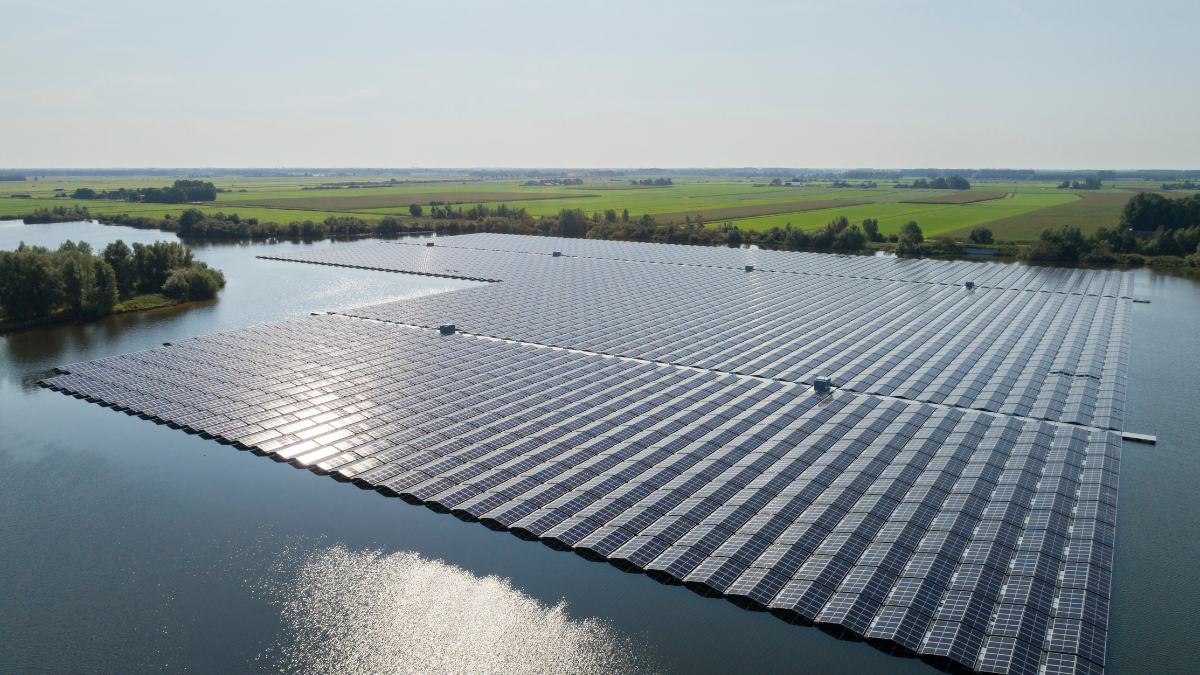
Who said we need acres of fertile land to generate solar energy? The energy sector is turning its gaze toward the water’s surface, and it’s not just for aesthetics. As of 2026, the floating photovoltaic system has established itself as one of the smartest solutions for companies seeking profitability without compromising industrial or agricultural land.
The forecasts don’t lie: the global floating PV market is growing at a CAGR of 26%. What began as experimental projects in irrigation ponds is now an industry mobilizing billions of euros. In fact, by the end of this year, installed capacity in Europe is expected to reach record figures, driven by land scarcity and the need to hybridize plants with hydroelectric power stations.
Advantages and challenges of a floating solar plant
Installing floating photovoltaic panels is not simply about putting modules out to sea. It is a strategic decision with direct benefits for the balance sheet.
Key Advantages:
- Thermal Efficiency: Water acts as a natural coolant. By keeping the panels at a lower temperature, their performance can increase by 10-15% compared to land-based installations.
- Water Conservation: The panel coverage reduces evaporation by up to 70%. In sectors like agro-industry, this is “liquid gold.”
- Less Soiling: Being far from the dust of roads or construction sites, the costs for panel maintenance and cleaning are significantly reduced.
The Challenges:
- Initial Cost: CAPEX is typically 15-20% higher due to floating structures and specialized anchoring systems.
- Corrosion and Humidity: It requires components with higher protection ratings (IP68) to withstand constant humidity and salinity in coastal environments.
Real-time monitoring: The key to a floating photovoltaic system
This is where engineering makes the difference between an installation that just “works” and one that is “highly profitable.” A floating solar plant faces dynamics that do not exist on land: movement from wind, waves, and tension in underwater cabling.
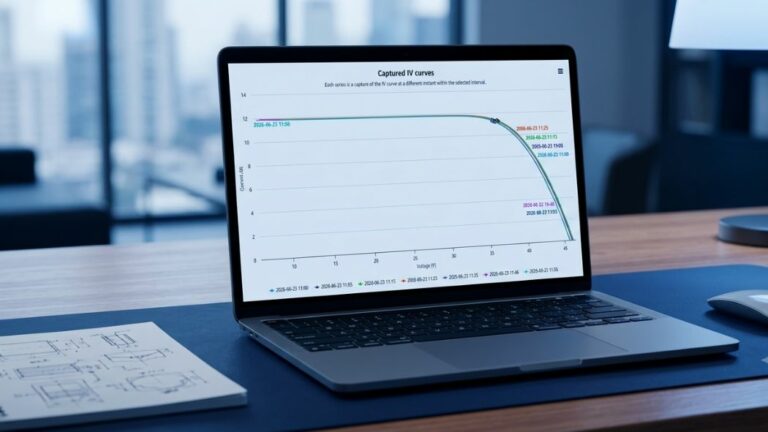
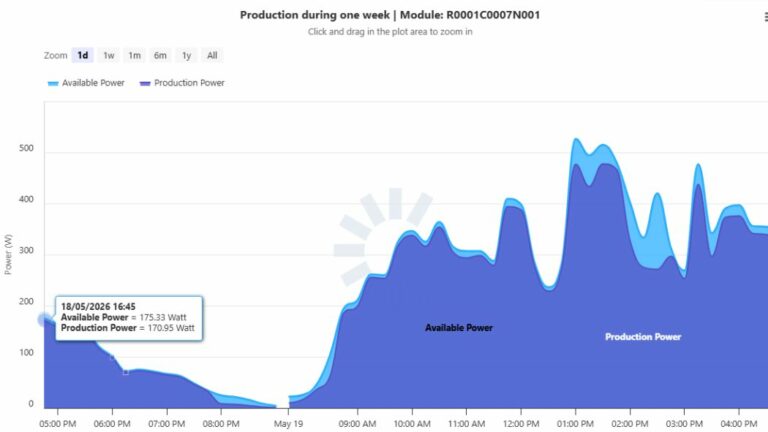
For an energy manager, knowing how many kWh are generated is not enough. Real-time monitoring allows for:
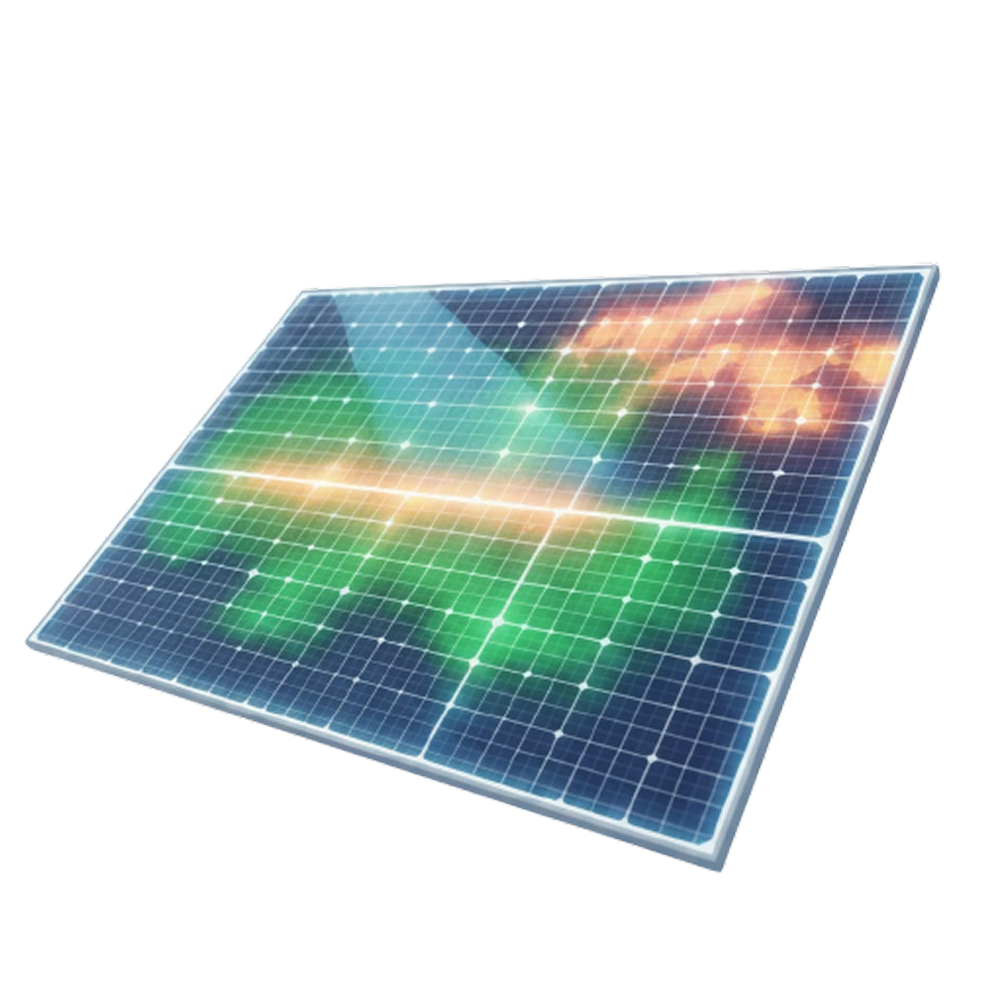
- Hotspot Detection: Identifying cell failures before they affect the entire string.
- Structural Safety: IoT sensors that alert if the anchoring system suffers anomalous tension due to strong wind gusts.
- ROI Optimization: In an environment where the initial investment is higher, every extra 1% of efficiency gained through data accelerates the return on investment.
The horizon for floating photovoltaic panels
The trend is clear: towards offshore and hybridization. We are already seeing large-scale floating solar plants located in protected marine waters and hydroelectric reservoirs, utilizing the existing grid connection infrastructure.
At Clever Solar, we know that the floating photovoltaic system is the answer for industries looking to lead the energy transition without sacrificing a single square meter of their productive facilities. The key is not just to float, but to control every watt from your control center screen.
Is your company ready to take the plunge?